
Screen printing — colours that last for years
A classic technology for medium and large runs. Strong, opaque colours on textiles, bags and promotional items.
- Textiles
- Bags
- Large runs
- Rich colours
+420 469 811 991Mon–Fri 8:00–15:00
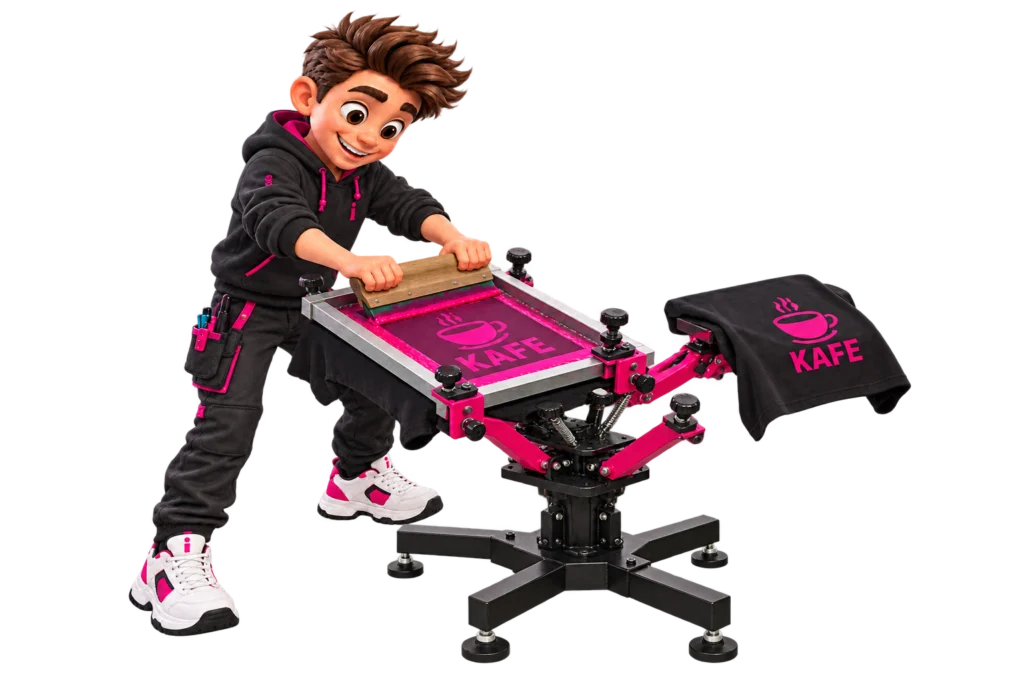
A 6-colour carousel
14 stations, precise registration
Textiles and items
T-shirts, bags, posters
Maximum durability
the ink survives years of washing
For medium and large runs
the more pieces, the more it makes sense
Screen printing on textiles and promotional items
Screen printing
Screen printing technology — a technique in which ink is applied through a stencil onto the material being printed. This basic principle of screen printing has been practically the same for centuries. What has developed dynamically, particularly in the twentieth century, are the printing stencils, the inks and above all the screen printing machines.
Screen printing is a printing technique in which a mesh in a frame is used to transfer ink onto an item. The ink is placed on the mesh and then pushed through it onto the product, but only where the print is to be. Only one colour is printed in one pass, so several screens are needed to create a multi-colour image or logo. After printing, the product is placed in a drying tunnel so that the ink cures on it.
With 360 rotary screen printing the same technique is applied to a cylindrical item. The item is rotated during printing, which results in a wrap-around screen print.
Screen printing is the first choice for screen-printed T-shirts in larger runs and for bags with a logo — simple logos with fewer colours last practically forever.
Materials suitable for screen printing
- Cotton and blends — the most common textile for a quality, durable print.
- Polyester and performance textiles — possible; suitable inks and a suitable process are chosen (because of dye migration).
- Paper and board — posters, packaging, POS materials.
- Plastics and boards — PVC, PP, PET and other substrates depending on the use.
Processing and execution options
- Single-colour and multi-colour printing — each colour is a separate layer, giving a highly stable result.
- Printing of large areas — suitable for simple designs and solid colours.
- Series production — the ideal technology for medium and large runs of the same design.
- Ink mixing to a colour book (where offered) — unifying your corporate identity.
Why screen printing
- High durability and a long service life — the print is tough, stable and suitable for frequent use.
- Excellent opacity and richness — outstanding for solid colours and printing on dark substrates.
- Economical in higher runs — the larger the run, the more advantageous the unit price.
- Special inks and effects — options other technologies often cannot match or that are considerably more expensive.
Will you print canvas bags with our own design?
Yes — canvas bags with your own print are ideal for screen printing: rich, solid colours and a low unit price in larger runs. We can supply the bags, or print yours. We print in our own workshop in Skuteč and send a proof for approval before printing.
The printing stencil
The printing stencil most often takes the form of an aluminium frame with a special fabric, known as mesh, stretched over it. The quality of this permeable mesh determines what materials the stencil can be used to print, so we have many kinds of stencil for different materials. A printing stencil for screen printing is not permanent; the customer pays only for exposing their design with light-sensitive emulsion onto the stencil, which is reused and is worth far more than is charged for simply putting the design on it. The life of a design is, depending on the type of stencil, in the order of several thousand prints, and where storage for reprints is agreed, in the order of months.
Screen printing inks
Printing inks are divided by the way they cure or by their chemical nature — for example water-based, alcohol-based, solvent-based, plastisol, sublimation, two-component and UV inks. Their use is always tied to the particular print application, the type of material being printed and the requirements of the client.
Screen printing machines
Screen printing machines are developed to give the best possible print result and the best productivity. Again it is the materials that determine the screen printing technique. Modern carousel screen printing machines were developed for absorbent textile substrates; with the material laid on the moving print table once, they apply all the colours the design needs. Non-absorbent materials need the existing print dried before each further colour is applied, so they are printed on single-station machines and after each print are taken off the table and the ink dried in a drying tunnel. Continuous lines can be built from such equipment. Cylindrical surfaces have to be printed by rotary screen printing, which exists in many forms, from simple manual tables to sophisticated lines for large runs.
Our products
A wide range of printed products for your business in screen printing
- Printing on T-shirts, hoodies and polo shirts — a durable print for corporate clothing, merchandising and team collections.
- Workwear — printing logos and markings on garments for industry and services (depending on the material and placement).
- Sports textiles — printing club designs and simple graphics in higher runs.
- Textile bags and drawstring bags — popular promotional products with a very durable print.
- Promotional accessories — aprons, caps, towels and other textile products (depending on the material).
- Runs for events — fast, economical production of larger quantities with the same design.
- Posters and art prints — strong colours, opaque layers and the typical screen-printed look.
- Stickers and labels — suitable for special inks and higher opacity (depending on the material chosen).
- Printing on boards and panels — signage, wayfinding, industrial and information boards (depending on the technology and the substrate).
- White and opaque layers — printing on dark materials, an underbase to make colours stand out.
- Metallic, fluorescent and other special inks — effects that ordinary digital printing often cannot replace.
- Varnishing and spot effects (where offered) — emphasising a logo or a detail.
Where we use screen printing
We print on a carousel with six colours and fourteen stations; the print platen is roughly 50 × 80 cm. Six colours means that even a multi-colour logo goes through the machine in one pass, and fourteen stations keep up the pace on large runs.
Screen printing is our choice for larger runs where the print has to last and come out well per piece. We use it in textile printing — company T-shirts, workwear and team clothing — and in printing on promotional and gift items, for example bags.
For single pieces and full-colour designs with gradients we would rather reach for DTF printing, where no screens have to be made.
Not sure which technology suits your design? Write to info@i-reklamka.cz or call +420 469 811 991.
How the job runs
From enquiry to a finished run — we prepare the quote according to the design, the material and the quantity.
- 01
Enquiry and consultation
Write or call +420 469 811 991 — we will advise whether screen printing is best for your design.
- 02
Files and screens
We prepare the artwork and the screens and send a proof for approval.
- 03
Printing on the carousel
We print on a six-colour carousel.
- 04
Delivery
Collection in person, local delivery or a carrier.
Our work
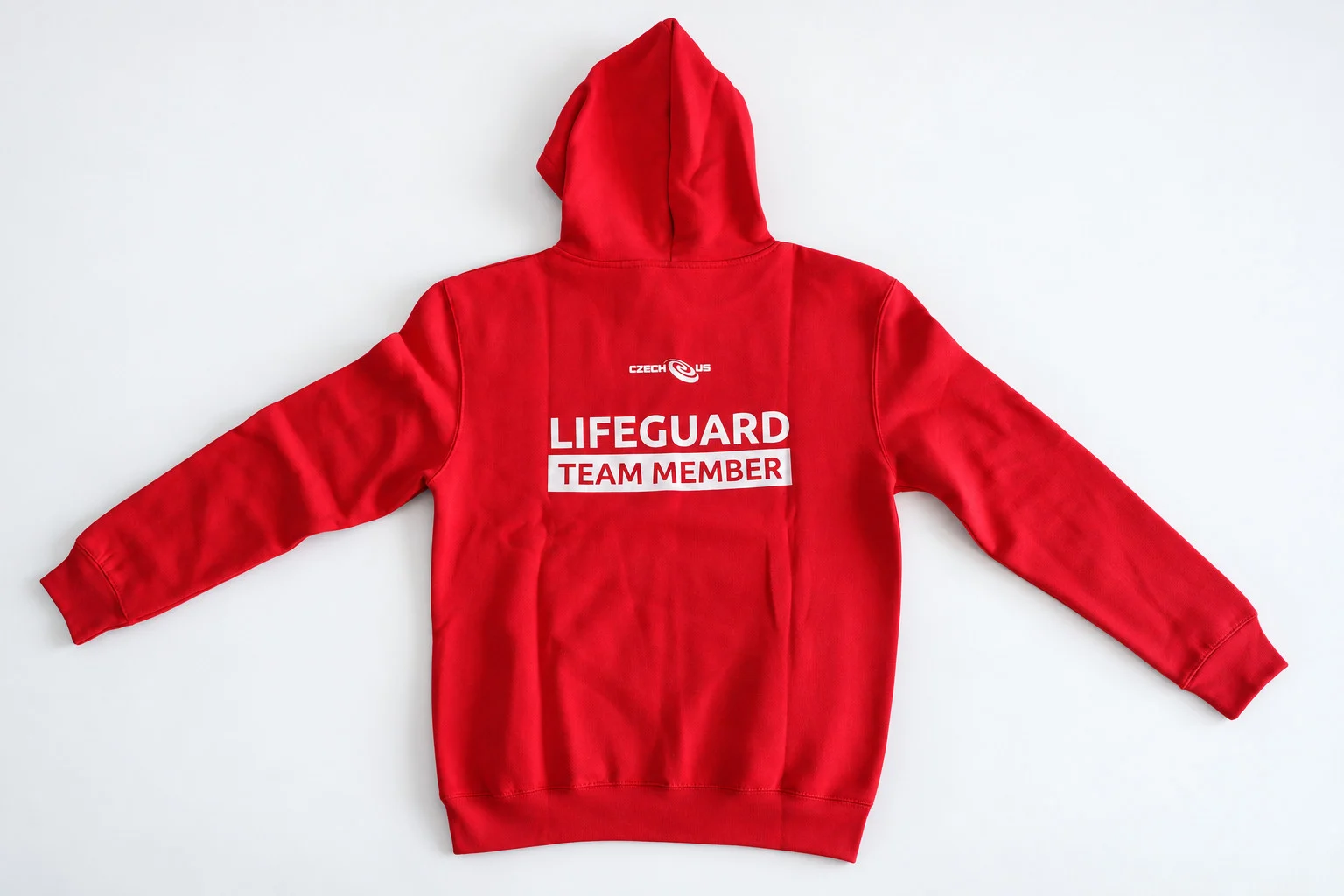

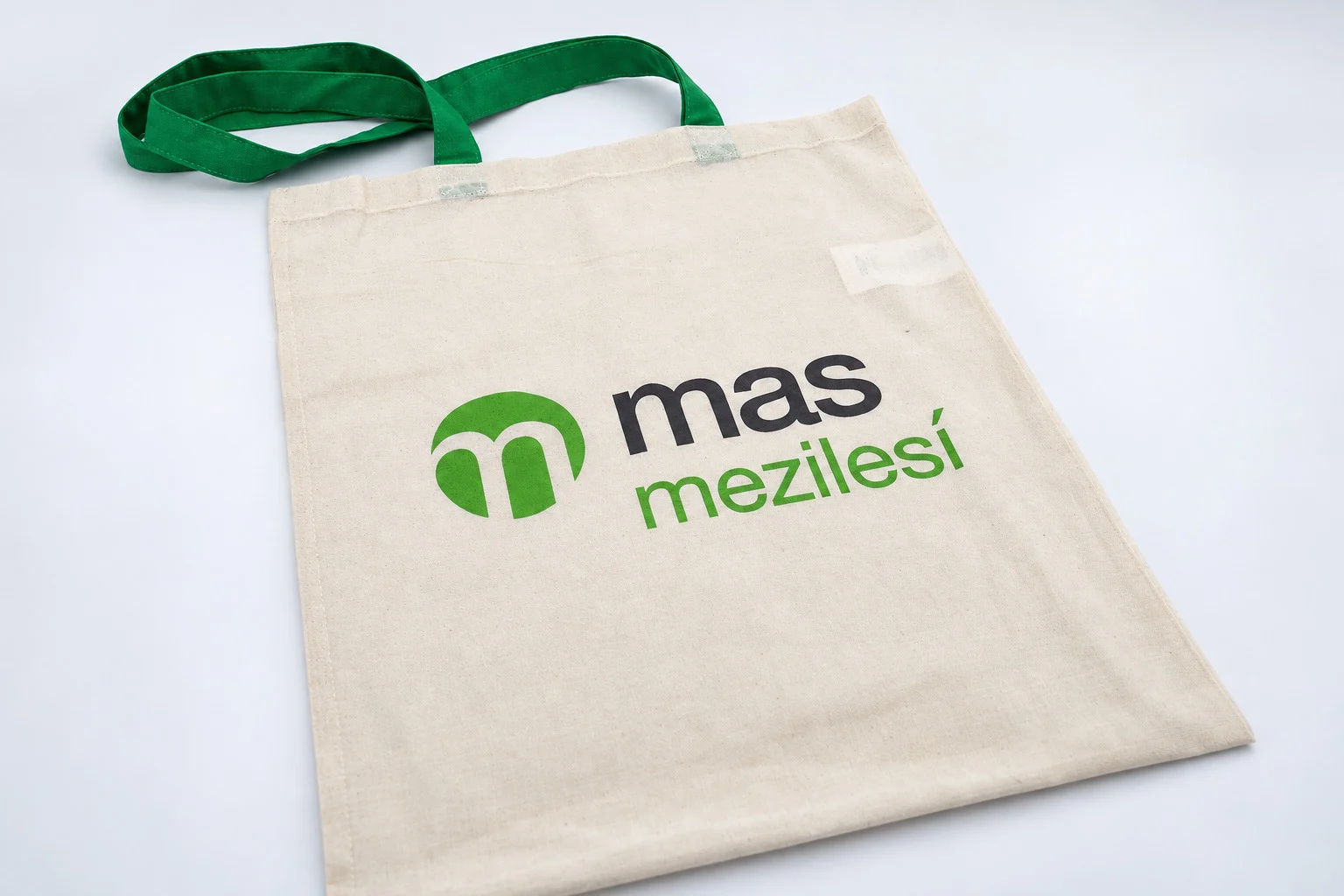
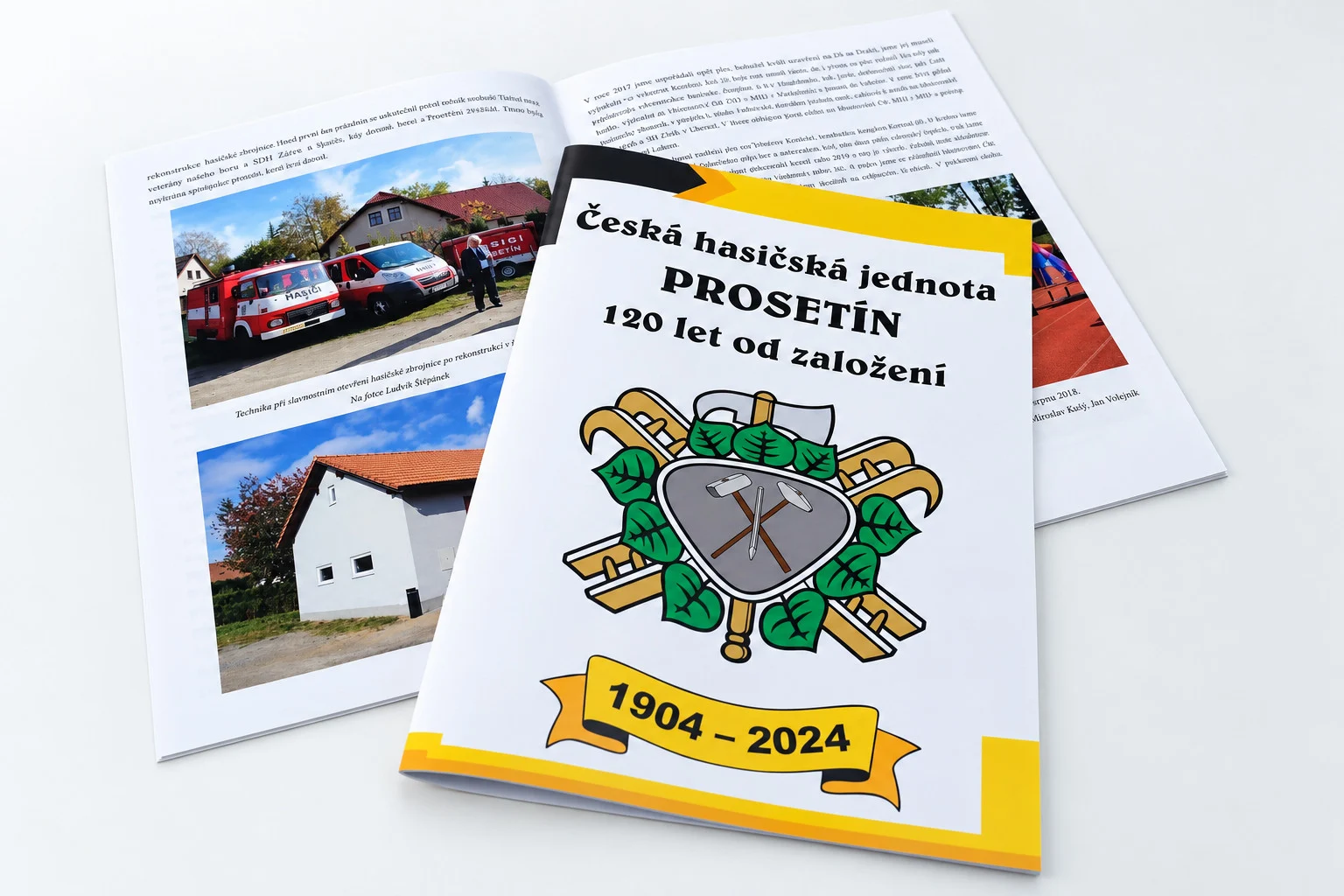
Would you like a quote for screen printing?
Tell us what you need, or simply call us — we will prepare a quote to suit you.