


Embossing
Embossing is a popular technique for branding products made of leather, PU, or cardboard. The logo is first engraved into a metal die. The logo is then pressed into the material, creating a permanent impression. The material must be thick enough to withstand the machine’s pressure, and the surface must be even and flat.
Embossing and foil stamping are considered exclusive printing techniques due to their appearance.
Foil Stamping
Foil stamping is a technique very similar to embossing itself, only it is supplemented by a single-color foil print. A foil in the desired color is inserted between the embossed object and the die, and it is transferred to the printed object using pressure and heat.
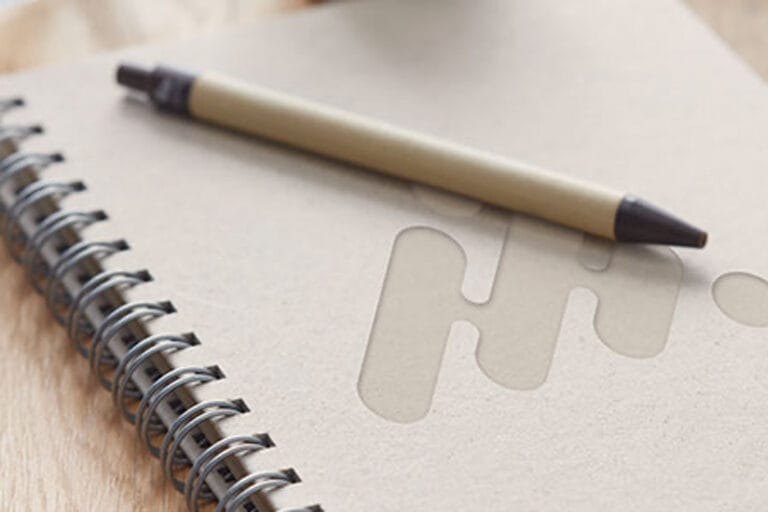

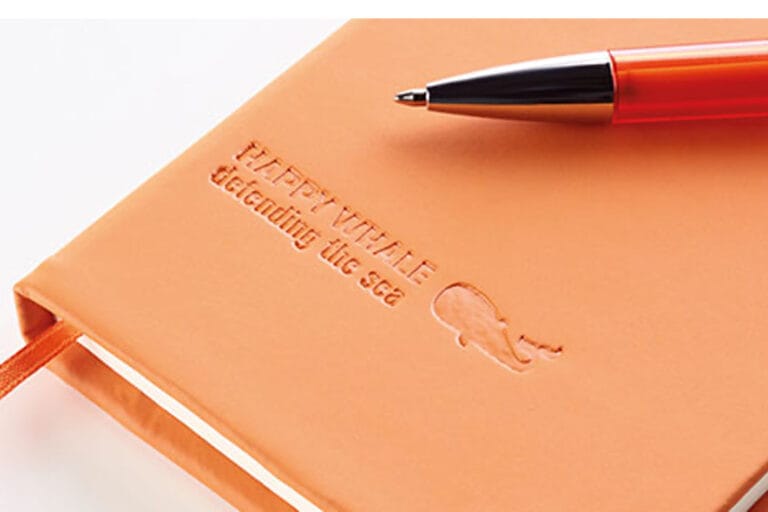
About Embossing
Embossing Methods
- Blind Embossing (emboss/deboss) – relief without foil: a 3D "up" or "down" effect.
- Foil Stamping (hot foil) – transfer of foil into the design (most often metallic effects).
- Combination of Relief and Foil – the most striking "premium" finish (depending on construction and paper).
Foils and Effects (Typical Options)
- Gold / Silver / Copper – a classic for a luxurious look.
- Metallic Color Foils – corporate identity, bold accents.
- Black / White Foil – contrasting and modern effect on designer papers.
- Holographic / Special Foil (if offered) – striking effects for limited editions and promos.
Materials Suitable for Embossing
- Cardboard and Higher Grammages – business cards, packaging, invitations.
- Designer and Textured Papers – embossing stands out on these, creating a luxurious feel.
- Coated Papers – possible, though surface suitability and foil adhesion are often evaluated.
- Laminated Surfaces (depending on technology and foil) – possible, but compatibility must be verified.
What to Provide (for Trouble-Free Production)
- Vector Graphics for embossing (curves, without effects or raster).
- Clearly Separated Motif for Embossing (separate layer/color named "EMBOSSING").
- Minimum Thicknesses and Details – we will recommend based on size and material (fine lines may bleed together).
Why Choose Embossing / Foil Stamping
- Premium Appearance and higher perceived product value.
- Distinct Tactile Effect (with blind embossing and relief).
- Great for Highlighting Logos and key design elements.
- Ideal for Representative Printed Materials – business cards, invitations, packaging, labels.
Embossing is one of the most popular ways to enhance printed materials because it gives the materials a premium look and a pleasant tactile effect. You will most often encounter two variants: blind embossing (without foil, just a 3D relief) and foil stamping (the relief is complemented by a metallic or colored foil). This makes it easy to highlight a logo, brand name, ornament, or a title on a cover.
First, you prepare the graphics for embossing—typically simple shapes, logos, or text with sufficient line thickness. Then, you create a die (a metal mold) that determines the exact shape and depth of the relief. For foil stamping, you also choose a specific foil (such as gold, silver, copper, holographic, or colored) and set the pressure, temperature, and time so that the foil adheres correctly.
During the foil stamping process itself, the die applies pressure and heat to the material, so the foil is transferred only where you want it. The result looks clean, sharp edges hold well even with small details, and the motif stands out significantly from the surrounding print. With blind embossing, the relief and an elegant “minimalist” effect without gloss stand out above all.
Grab attention – Embossing – Foil Stamping
Embossing brings several practical advantages. It will help you grab attention, increase the perceived value of the product, and strengthen the impression of quality from the very first contact. At the same time, it works great for branding materials where you want to build trust—for example, on business cards, packaging, and representative print materials.
Embossing is most commonly used on business cards, invitations, certificates, envelopes, folders, labels, packaging, and luxury catalogs. You usually get the best results on thicker papers and cardstocks, or on laminated packaging. If the motif contains very fine lines or small fonts, it is worth simplifying the graphics slightly so that the embossing remains legible and even.
Embossing can also be combined with other finishes, such as lamination, spot UV varnish, or die-cutting. When designed sensitively, you get a striking effect without being over-the-top, and the printed material will look truly professional.
Our Products
A wide range of print products for your business in the field of embossing
- Business Cards – a striking logo or detailed element with a luxurious effect (matte or gloss depending on the foil).
- Letterheads and Stationery Sets – elegant logo highlighting (often as a subtle element).
- Corporate Folders and Binders – representative packaging for offers, contracts, and presentations.
- Invitations, Greeting Cards, Announcements – premium execution for events and formal occasions.
- Packaging and Boxes – packaging branding, highlighting the brand and product line.
- Certificates and Diplomas – highlighting logos, seals, or significant details.
- Luxury Labels – metallic effects and highlighting elements on packaging.
- Tags and Hangtags – a premium impression for fashion and gift items.
Where Embossing is Used
Embossing is a finishing technique that elevates standard print materials — gold, silver, or colored foil and blind embossing work on business cards, envelopes, and folders where the first impression matters.
We have a metal die custom-made according to your design, and then we perform the actual stamping in-house — so we discuss the final result with you, not the intermediary steps.
For embossing to be successful, the graphic design must account for it: it requires sufficiently thick lines and reasonable spacing. We can prepare the source files as part of our graphic services.
Are you considering embossing for business cards or packaging? Email us at info@i-reklamka.cz or call 469 811 991.
References
View some of our projects